Introduction
Anxiety and stress have become a normal part of modern life. Whether it’s work pressure, financial concerns, relationships, or constant exposure to information, many people feel overwhelmed on a daily basis. While a certain level of stress is natural and can even be motivating, chronic anxiety and ongoing stress can negatively affect both mental and physical health.
Learning how to manage anxiety and stress daily is essential for maintaining a balanced and fulfilling life. The key is not to eliminate stress completely—that’s unrealistic—but to build healthy habits that help you respond to it in a calmer and more controlled way.
This guide provides practical, natural, and sustainable strategies to help you manage anxiety and stress every day. These methods are simple, effective, and can be adapted to fit your lifestyle.
Understanding Anxiety and Stress
What Is Anxiety?
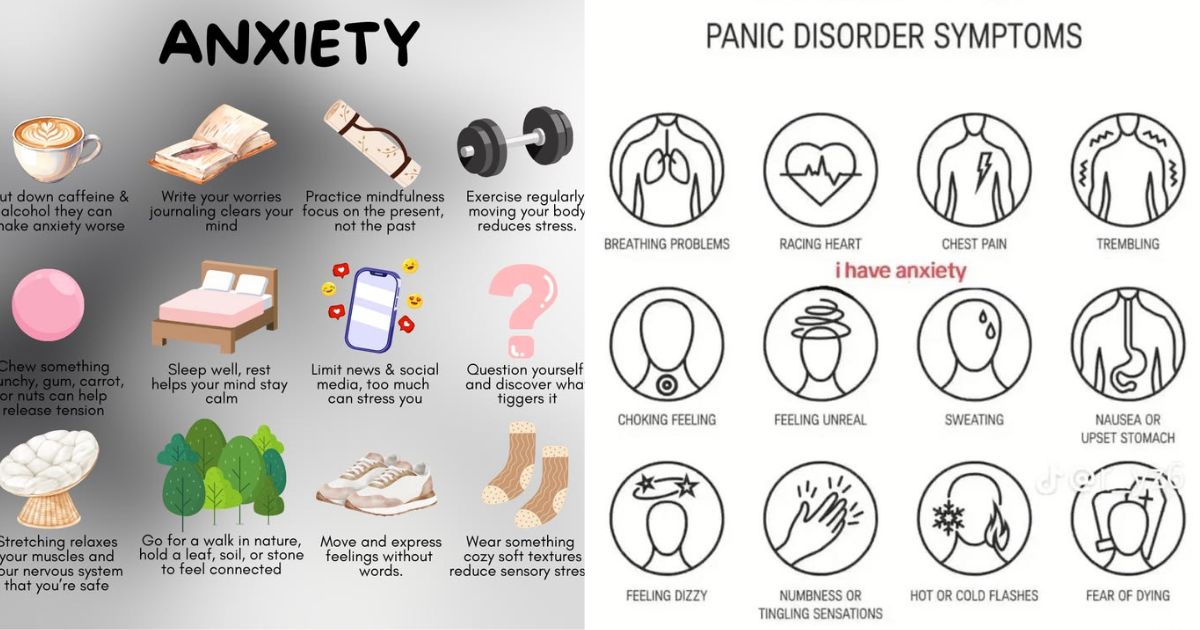
Anxiety is a feeling of worry, nervousness, or fear about something that may happen in the future. It often involves overthinking, restlessness, and physical symptoms such as a rapid heartbeat or difficulty concentrating.
What Is Stress?
Stress is your body’s reaction to a challenge or demand. It can be triggered by external factors like deadlines or internal factors such as expectations and fears.
Key Differences Between Anxiety and Stress
- Stress is usually linked to a specific situation
- Anxiety can persist even without a clear cause
- Stress often goes away after the situation ends, while anxiety may linger
Why Daily Management Matters
Ignoring anxiety and stress can lead to burnout, poor health, and decreased quality of life. Daily management helps you stay in control and prevents issues from escalating.
Recognizing Daily Triggers
Common Triggers of Anxiety and Stress
- Work or academic pressure
- Financial worries
- Relationship conflicts
- Health concerns
- Information overload from social media
How to Identify Your Personal Triggers
Start by paying attention to moments when you feel tense or overwhelmed. Ask yourself:
- What just happened?
- What thoughts are going through my mind?
- How is my body reacting?
Keeping a Stress Journal
Writing down your daily experiences can help you identify patterns and better understand your emotional responses.
Build a Strong Morning Routine
Why Mornings Matter
How you start your day sets the tone for everything that follows. A calm and structured morning routine can reduce anxiety before it even begins.
Simple Morning Habits
- Wake up at a consistent time
- Avoid checking your phone immediately
- Practice deep breathing or stretching
- Eat a healthy breakfast
Creating a Positive Mindset Early
Spend a few minutes setting intentions for the day. This helps you feel more in control and focused.
Practice Deep Breathing Techniques
The Power of Breath
Breathing is one of the fastest ways to calm your nervous system. When you’re anxious, your breathing becomes shallow and rapid.
Easy Breathing Exercise
Try this simple method:
- Inhale slowly for 4 seconds
- Hold your breath for 4 seconds
- Exhale slowly for 6 seconds
- Repeat for a few minutes
When to Use It
You can practice deep breathing anytime—during stressful situations, before meetings, or before sleep.
Stay Physically Active
Exercise as a Stress Reliever
Physical activity reduces stress hormones and increases endorphins, which improve mood and reduce anxiety.
Daily Movement Ideas
- Walking for 20–30 minutes
- Light jogging or cycling
- Yoga or stretching
- Home workouts
Making It a Habit
Choose activities you enjoy so you’re more likely to stay consistent.
Manage Your Thoughts Effectively
The Role of Negative Thinking
Anxiety often comes from negative or irrational thoughts. Learning to manage these thoughts is crucial.
Techniques to Reframe Thoughts
- Challenge negative assumptions
- Replace “what if” thinking with realistic perspectives
- Focus on what you can control
Practicing Self-Compassion
Be kind to yourself. Everyone experiences stress and anxiety—it’s part of being human.
Limit Information Overload
The Impact of Constant Information
Too much news and social media can increase anxiety and create a sense of urgency or fear.
Healthy Digital Habits
- Set specific times to check news or social media
- Avoid negative content before bedtime
- Take regular digital breaks
Protecting Your Mental Space
Be selective about the information you consume. Not everything deserves your attention.
Maintain a Healthy Lifestyle
Nutrition and Mental Health
Eating balanced meals supports brain function and emotional stability.
Sleep and Recovery
Lack of sleep increases stress levels and reduces your ability to cope with challenges.
Hydration and Energy Levels
Drinking enough water helps maintain focus and reduces fatigue.
Use Mindfulness in Daily Life
What Is Mindfulness?
Mindfulness is the practice of staying present and fully engaged in the moment.
Simple Mindfulness Practices
- Focus on your breath
- Pay attention to your surroundings
- Eat slowly and mindfully
Benefits for Anxiety
Mindfulness helps reduce overthinking and keeps your mind from wandering into stressful thoughts.
Build Strong Support Systems
Why Support Matters
Talking to others can help you process emotions and feel less alone.
Ways to Stay Connected
- Spend time with friends and family
- Join communities or support groups
- Share your thoughts openly
Asking for Help
Don’t hesitate to reach out when you need support. It’s a healthy and important step.
Set Boundaries and Manage Time
Avoiding Overcommitment
Taking on too many responsibilities can lead to stress and burnout.
Time Management Tips
- Prioritize important tasks
- Break tasks into smaller steps
- Schedule breaks throughout the day
Learning to Say No
Protect your time and energy by setting clear boundaries.
Create a Relaxing Evening Routine
Ending the Day Calmly
A peaceful evening routine helps your body and mind recover from daily stress.
Evening Habits to Try
- Limit screen time before bed
- Read a book or listen to calming music
- Reflect on your day
- Practice gratitude
Preparing for Restful Sleep
A consistent bedtime routine improves sleep quality and reduces anxiety.
Develop Long-Term Coping Strategies
Building Resilience
Resilience is your ability to adapt and recover from stress.
Healthy Coping Mechanisms
- Journaling
- Creative activities
- Spending time in nature
- Practicing hobbies
Avoiding Unhealthy Habits
Stay away from coping mechanisms like excessive alcohol, overeating, or avoidance.
Dealing with Sudden Anxiety Attacks
Recognizing the Signs
- Rapid heartbeat
- Shortness of breath
- Feeling overwhelmed or panicked
What to Do in the Moment
- Focus on your breathing
- Ground yourself by noticing your surroundings
- Remind yourself that the feeling will pass
After the Episode
Reflect on what triggered the episode and consider ways to manage similar situations in the future.
Tracking Your Progress
Why It’s Important
Tracking helps you understand what works and what doesn’t.
Simple Ways to Track
- Use a journal
- Rate your stress levels daily
- Note improvements over time
Celebrate Small Wins
Even small improvements are meaningful. Recognize your progress.
Common Challenges and Solutions
Lack of Time
Incorporate small habits into your existing routine instead of adding new tasks.
Inconsistency
Focus on progress, not perfection. Missing a day is okay—just continue the next day.
Feeling Stuck
Try new techniques or seek support from others.
When to Seek Professional Help
Signs You May Need Extra Support
- Anxiety interferes with daily life
- Persistent feelings of sadness or fear
- Difficulty functioning normally
Types of Professional Help
- Therapists or counselors
- Support groups
- Medical professionals
Taking the First Step
Seeking help is a positive and empowering decision.
Conclusion
Managing anxiety and stress daily is not about eliminating challenges from your life—it’s about learning how to respond to them in healthier ways. By building simple habits such as mindful breathing, regular exercise, healthy routines, and strong social connections, you can significantly improve your emotional well-being.
Remember that progress takes time. Some days will feel easier than others, and that’s completely normal. The important thing is to stay consistent and patient with yourself.
Start small. Choose one or two strategies from this guide and apply them today. Over time, these small changes will build a stronger, calmer, and more resilient version of you.
Your mental health matters every single day—take care of it, and it will take care of you.