Introduction
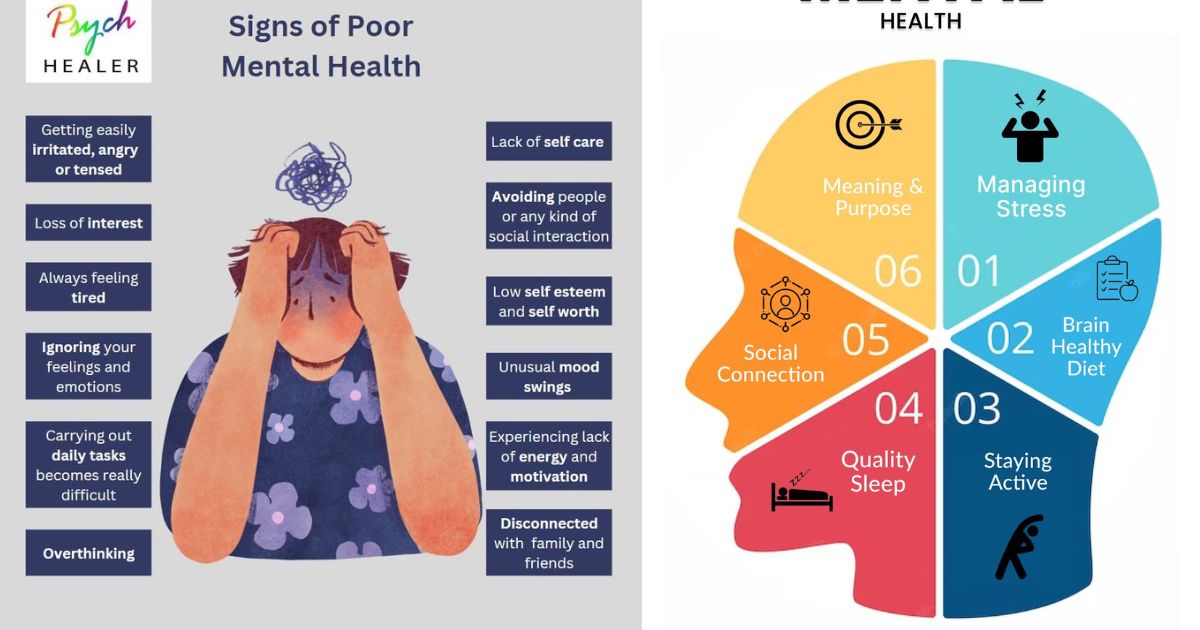
Mental health is a vital part of overall well-being, yet it is often overlooked until serious problems arise. Many people struggle silently with emotional and psychological challenges, not realizing that the signs they are experiencing may indicate declining mental health. Recognizing these signs early can make a significant difference in preventing more severe conditions and improving quality of life.
Poor mental health does not always appear in obvious ways. It can develop gradually, affecting thoughts, emotions, behaviors, and even physical health. By understanding the warning signs, you can take proactive steps to support yourself or help someone else in need.
This article explores the key signs of poor mental health, explains how they manifest in daily life, and offers guidance on what to do if you or someone you know is struggling.
Understanding Mental Health
What Is Mental Health?
Mental health refers to your emotional, psychological, and social well-being. It affects how you think, feel, and behave, as well as how you handle stress, relate to others, and make decisions.
The Spectrum of Mental Health
Mental health exists on a spectrum. At one end, individuals feel balanced, resilient, and capable of coping with life’s challenges. At the other end, individuals may feel overwhelmed, disconnected, and unable to function effectively.
Why Awareness Matters
Being aware of mental health signs allows early intervention. The sooner you recognize the symptoms, the easier it is to address them and prevent escalation.
Emotional Signs of Poor Mental Health
Persistent Sadness or Low Mood
One of the most common indicators of poor mental health is a prolonged feeling of sadness. This is more than occasional disappointment—it is a deep, ongoing emotional state that doesn’t easily improve.
Feelings of Hopelessness
People experiencing poor mental health may feel that things will never get better. This sense of hopelessness can affect motivation and outlook on life.
Irritability and Mood Swings
Frequent mood changes, anger, or frustration over small issues can signal emotional imbalance.
Excessive Worry or Fear
Constant worrying, even about minor issues, can be a sign of anxiety and mental strain.
Emotional Numbness
Some individuals may feel disconnected from their emotions, experiencing neither joy nor sadness.
Cognitive Signs of Poor Mental Health
Difficulty Concentrating
Struggling to focus on tasks or maintain attention can indicate mental fatigue or stress.
Negative Thought Patterns
Recurring negative thoughts, self-criticism, or pessimistic thinking are strong indicators of poor mental health.
Indecisiveness
Difficulty making decisions, even simple ones, can reflect cognitive overload or anxiety.
Memory Problems
Forgetting important details or struggling to recall information may be linked to stress or emotional distress.
Behavioral Signs of Poor Mental Health
Withdrawal from Social Activities
Avoiding friends, family, or social interactions is a common sign of declining mental health.
Changes in Daily Habits
Sudden changes in routine, such as neglecting responsibilities or losing interest in activities, can be warning signs.
Decreased Productivity
A noticeable drop in performance at work or school may indicate underlying mental health issues.
Risky or Harmful Behavior
Engaging in reckless actions or unhealthy coping mechanisms can signal deeper problems.
Physical Signs of Poor Mental Health
Changes in Sleep Patterns
Sleeping too much or too little is often linked to mental health struggles.
Fatigue and Low Energy
Constant tiredness, even after rest, can be a symptom of emotional exhaustion.
Appetite Changes
Significant increase or decrease in appetite may indicate stress or depression.
Unexplained Aches and Pains
Mental health issues can manifest physically through headaches, muscle tension, or stomach problems.
Social Signs of Poor Mental Health
Difficulty Maintaining Relationships
Poor mental health can strain relationships, leading to misunderstandings and conflict.
Isolation
Choosing to be alone frequently and avoiding interaction can worsen mental health over time.
Reduced Communication
People may become less expressive, avoiding conversations or sharing less about their feelings.
Early Warning Signs vs. Severe Symptoms
Early Warning Signs
- Occasional mood changes
- Mild anxiety or stress
- Temporary lack of motivation
Severe Symptoms
- Persistent depression
- Panic attacks
- Thoughts of self-harm
- Inability to function daily
Recognizing the difference helps determine when to seek professional support.
Causes of Poor Mental Health
External Factors
- Work or academic pressure
- Financial difficulties
- Relationship problems
- Major life changes
Internal Factors
- Negative thinking patterns
- Low self-esteem
- Past trauma
Biological Factors
- Genetics
- Brain chemistry
- Hormonal changes
Understanding the causes can help in addressing the root of the problem.
The Impact of Ignoring Mental Health
Emotional Consequences
Ignoring mental health can lead to worsening feelings of sadness, anxiety, or anger.
Physical Health Effects
Chronic stress can weaken the immune system and increase the risk of illness.
Social and Professional Impact
Poor mental health can affect relationships, job performance, and overall life satisfaction.
How to Respond to Warning Signs
Self-Awareness
Acknowledge your feelings without judgment. Awareness is the first step toward improvement.
Talk to Someone
Sharing your thoughts with a trusted person can provide relief and perspective.
Make Small Lifestyle Changes
Simple actions like improving sleep, eating well, and staying active can help.
Practice Mindfulness
Being present in the moment can reduce stress and improve emotional balance.
Helping Someone with Poor Mental Health
Recognizing Signs in Others
Pay attention to changes in behavior, mood, or communication.
Offering Support
Listen without judgment and offer encouragement.
Encouraging Professional Help
Suggest seeking help from a qualified professional when needed.
Being Patient
Recovery takes time. Consistent support can make a big difference.
When to Seek Professional Help
Warning Signs That Require Immediate Attention
- Thoughts of self-harm
- Severe mood swings
- Inability to function in daily life
Types of Professional Support
- Therapists
- Psychologists
- Psychiatrists
Breaking the Stigma
Seeking help is a sign of strength, not weakness.
Building Mental Health Awareness
Educating Yourself
Learn about mental health to better understand your experiences.
Promoting Open Conversations
Talking openly about mental health reduces stigma and encourages support.
Creating Supportive Environments
Encourage workplaces, schools, and communities to prioritize mental well-being.
Long-Term Strategies for Better Mental Health
Develop Healthy Habits
Consistency in sleep, diet, and exercise supports mental well-being.
Strengthen Emotional Resilience
Learn to cope with challenges in healthy ways.
Maintain Social Connections
Strong relationships provide emotional support and stability.
Set Realistic Goals
Achievable goals help maintain motivation and reduce stress.
Common Misconceptions About Mental Health
“It’s Just a Phase”
Mental health issues are real and should not be dismissed.
“Only Weak People Struggle”
Mental health challenges can affect anyone.
“You Should Handle It Alone”
Seeking help is essential and beneficial.
Conclusion
Recognizing the signs of poor mental health is crucial for maintaining overall well-being. These signs can appear in many forms—emotional, cognitive, behavioral, physical, and social—and often develop gradually over time. By paying attention to these warning signals, you can take early action and prevent more serious issues.
Mental health is an ongoing journey that requires care, awareness, and support. Whether you are experiencing challenges yourself or supporting someone else, understanding these signs is a powerful step toward healing and growth.
Take time to check in with yourself regularly. If something feels off, don’t ignore it. Small steps, such as talking to someone, making lifestyle changes, or seeking professional help, can lead to meaningful improvements.
Your mental health matters. By recognizing the signs and taking action, you can build a healthier, more balanced, and fulfilling life.