Introduction
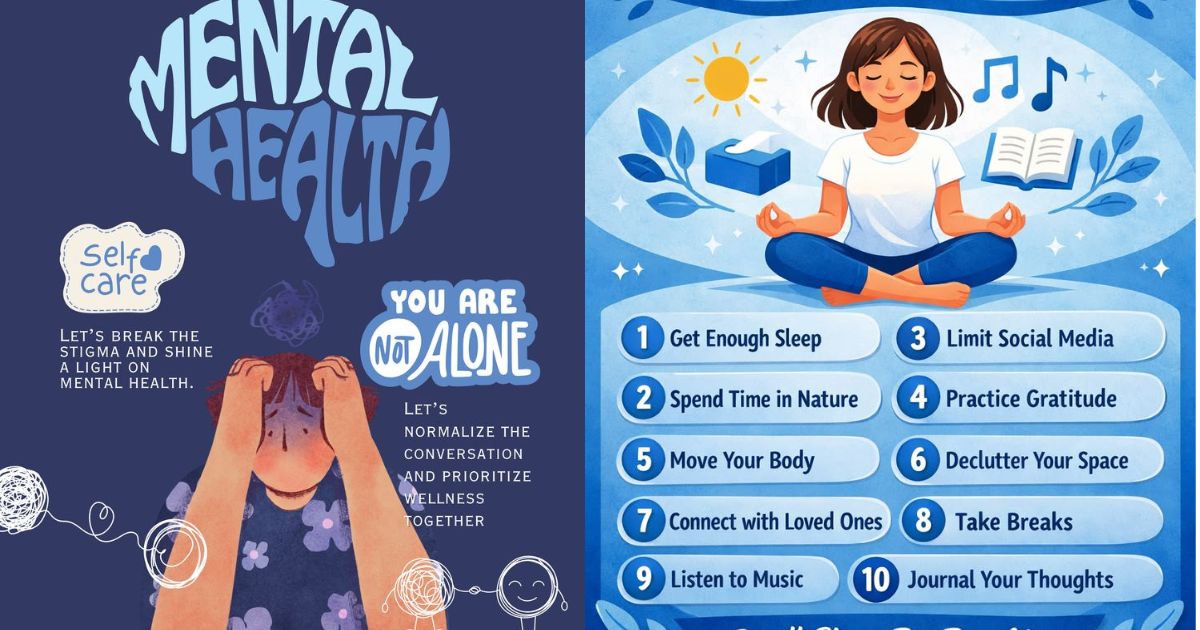
Mental health is just as important as physical health, yet many people overlook it until problems begin to affect their daily lives. In today’s fast-paced world, stress, anxiety, and emotional fatigue have become increasingly common. The good news is that improving your mental health doesn’t always require complicated treatments or expensive solutions. In many cases, small, natural lifestyle changes can make a big difference.
This article explores simple, effective, and natural ways to improve your mental well-being. These methods are easy to follow, sustainable, and suitable for almost anyone, regardless of age or lifestyle. By incorporating these habits into your daily routine, you can build resilience, reduce stress, and create a more balanced and fulfilling life.
1. Prioritize Quality Sleep
Why Sleep Matters for Mental Health
Sleep plays a critical role in regulating mood, cognitive function, and emotional stability. When you don’t get enough sleep, your brain struggles to process emotions effectively, leading to irritability, stress, and even anxiety.
How to Improve Your Sleep Naturally
- Stick to a consistent sleep schedule
- Avoid screens at least one hour before bedtime
- Create a calming nighttime routine
- Keep your bedroom cool, dark, and quiet
Small Changes, Big Impact
Even improving your sleep by one hour per night can significantly boost your mental clarity and emotional resilience.
2. Stay Physically Active
The Mind-Body Connection
Exercise is one of the most powerful natural remedies for mental health. Physical activity releases endorphins, also known as “feel-good” hormones, which help reduce stress and improve mood.
Simple Ways to Stay Active
- Take a 20-minute walk daily
- Try yoga or stretching exercises
- Engage in activities you enjoy, like dancing or cycling
Consistency Over Intensity
You don’t need intense workouts. Regular, moderate activity is enough to experience mental health benefits.
3. Eat a Balanced and Nutritious Diet
Food and Mood Connection
What you eat directly affects how you feel. Nutrient-rich foods support brain function and emotional balance, while processed foods can increase fatigue and mood swings.
Foods That Support Mental Health
- Fruits and vegetables
- Whole grains
- Healthy fats like nuts and seeds
- Lean proteins
Hydration Matters Too
Drinking enough water helps maintain energy levels and concentration, which are essential for mental clarity.
4. Practice Mindfulness and Meditation
Understanding Mindfulness
Mindfulness is the practice of being present in the moment without judgment. It helps reduce overthinking and promotes emotional stability.
Easy Ways to Start
- Spend 5–10 minutes focusing on your breath
- Observe your thoughts without reacting
- Practice gratitude daily
Long-Term Benefits
Regular mindfulness practice can reduce anxiety, improve focus, and enhance overall well-being.
5. Build Strong Social Connections
Why Relationships Matter
Humans are social beings. Positive relationships provide emotional support, reduce feelings of loneliness, and improve overall happiness.
Ways to Strengthen Connections
- Spend quality time with family and friends
- Join community groups or online communities
- Be open and honest in communication
Quality Over Quantity
A few meaningful relationships are more beneficial than many shallow ones.
6. Limit Screen Time and Social Media Use
The Hidden Impact of Digital Overload
Excessive screen time, especially on social media, can lead to comparison, anxiety, and reduced self-esteem.
Practical Tips
- Set daily screen time limits
- Take regular digital breaks
- Avoid using devices before bed
Reclaim Your Time
Reducing screen time allows you to focus on real-life experiences and meaningful activities.
7. Spend Time in Nature
Nature as a Natural Healer
Spending time outdoors has been shown to reduce stress, improve mood, and enhance mental clarity.
Simple Ways to Connect with Nature
- Walk in a park
- Sit outside and enjoy fresh air
- Go hiking or visit natural landscapes
Even Small Moments Count
You don’t need long trips—just 10–15 minutes outside can make a difference.
8. Practice Self-Care Regularly
What Is Self-Care?
Self-care involves taking time to care for your physical, emotional, and mental needs.
Examples of Self-Care Activities
- Reading a book
- Taking a relaxing bath
- Listening to music
- Journaling your thoughts
Make It a Priority
Self-care is not a luxury—it is essential for maintaining mental health.
9. Set Realistic Goals and Boundaries
Avoiding Burnout
Taking on too much can lead to stress and emotional exhaustion. Setting realistic goals helps you stay focused and balanced.
How to Set Healthy Boundaries
- Learn to say no when necessary
- Break large tasks into smaller steps
- Prioritize what truly matters
Balance Is Key
Respecting your limits allows you to maintain energy and mental clarity.
10. Seek Help When Needed
Breaking the Stigma
Seeking help is a sign of strength, not weakness. Talking to someone can provide clarity and emotional relief.
Where to Find Support
- Talk to a trusted friend or family member
- Join support groups
- Consult a mental health professional
Early Action Matters
Addressing issues early can prevent them from becoming more serious.
Building a Sustainable Mental Health Routine
Start Small
You don’t need to change everything at once. Begin with one or two habits and gradually build from there.
Stay Consistent
Consistency is more important than perfection. Even small daily actions can lead to long-term improvements.
Track Your Progress
Keeping a journal or noting your improvements can help you stay motivated and aware of positive changes.
Common Challenges and How to Overcome Them
Lack of Motivation
Start with simple tasks and remind yourself of the benefits.
Time Constraints
Incorporate habits into your existing routine rather than adding extra tasks.
Feeling Overwhelmed
Focus on one step at a time and celebrate small wins.
Conclusion
Improving your mental health naturally is not about making drastic changes overnight. It’s about building simple, healthy habits that support your emotional and psychological well-being over time. By prioritizing sleep, staying active, eating well, practicing mindfulness, and nurturing relationships, you can create a strong foundation for a healthier mind.
Remember, mental health is a journey, not a destination. Some days will be easier than others, and that’s completely normal. What matters most is your commitment to taking care of yourself and making choices that support your well-being.