Introduction
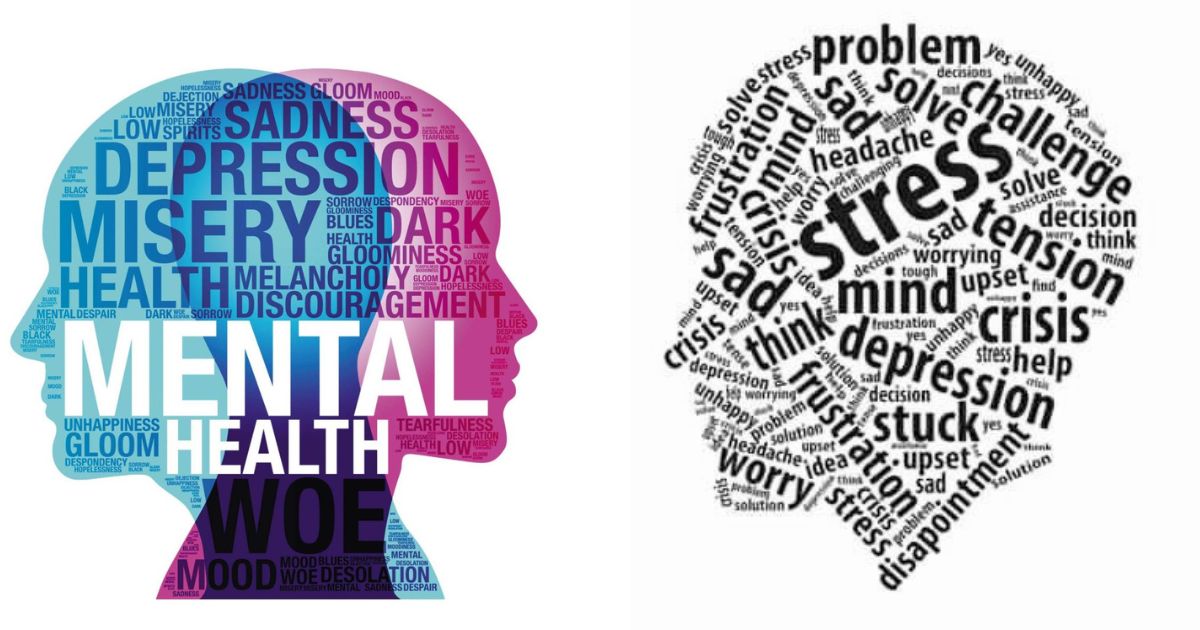
Mental health has become one of the most important topics in modern society. In a world that is constantly evolving—driven by technology, economic pressure, social expectations, and global uncertainty—people are experiencing increasing levels of stress, anxiety, and emotional fatigue. While physical health has long been a priority, mental health is now gaining the attention it truly deserves.
Understanding why mental health matters today is essential for individuals, families, workplaces, and communities. It affects how we think, feel, behave, and interact with others. More importantly, it shapes the quality of our lives.
This article explores the importance of mental health in today’s world, the factors influencing it, and how prioritizing mental well-being can lead to a healthier, more balanced life.
Understanding Mental Health
What Is Mental Health?
Mental health refers to emotional, psychological, and social well-being. It influences how individuals handle stress, relate to others, and make decisions.
Mental Health Is a Continuum
Mental health is not simply “good” or “bad.” It exists on a spectrum where people may move between different states depending on life circumstances.
Why It’s Often Overlooked
For many years, mental health was misunderstood or stigmatized. People were encouraged to ignore their struggles rather than address them, leading to widespread neglect of mental well-being.
The Growing Importance of Mental Health Today
A Fast-Paced Lifestyle
Modern life is faster and more demanding than ever. People are expected to multitask, meet deadlines, and constantly stay connected.
Increased Stress Levels
Daily pressures—from work, finances, and relationships—have significantly increased stress levels across all age groups.
The Impact of Global Challenges
Events such as economic instability and global crises have added uncertainty, making mental health support more important than ever.
Awareness and Education
Fortunately, awareness around mental health is growing, encouraging more people to seek help and adopt healthier habits.
The Connection Between Mental and Physical Health
Mind and Body Are Linked
Mental health directly affects physical health. Chronic stress and anxiety can lead to various health issues.
Physical Effects of Poor Mental Health
- Weakened immune system
- Sleep disturbances
- Fatigue and low energy
- Increased risk of chronic illness
Benefits of Good Mental Health
Maintaining good mental health supports overall physical well-being, improving energy levels and resilience.
Mental Health in Daily Life
Decision-Making and Productivity
A healthy mind improves focus, creativity, and the ability to make sound decisions.
Relationships and Social Interactions
Mental health affects how we communicate, build relationships, and handle conflicts.
Emotional Stability
Good mental health allows individuals to manage emotions effectively and respond to challenges calmly.
The Role of Technology in Mental Health
Positive Impacts
Technology provides access to information, support groups, and mental health resources.
Negative Impacts
Excessive use of social media and digital devices can increase anxiety, comparison, and feelings of isolation.
Finding Balance
Using technology mindfully is key to protecting mental well-being.
Mental Health in the Workplace
Increasing Work Pressure
Many employees face high expectations, long hours, and job insecurity.
Effects of Poor Mental Health at Work
- Decreased productivity
- Burnout
- Lack of motivation
- Increased absenteeism
Importance of Workplace Support
Organizations that prioritize mental health create healthier, more productive environments.
Mental Health Among Students
Academic Pressure
Students often face intense pressure to perform academically.
Social Challenges
Peer relationships, social expectations, and identity development can impact mental well-being.
Supporting Student Mental Health
Encouraging balance, open communication, and emotional support is essential.
Social Media and Mental Health
The Comparison Culture
Social media often creates unrealistic standards, leading to self-doubt and low self-esteem.
Information Overload
Constant exposure to information can overwhelm the mind.
Healthy Social Media Use
Limiting usage and focusing on positive content can reduce negative effects.
The Stigma Around Mental Health
Why Stigma Exists
Misunderstanding and lack of education have contributed to stigma.
Effects of Stigma
- Prevents people from seeking help
- Encourages silence and isolation
- Increases emotional suffering
Breaking the Stigma
Open conversations and education are key to normalizing mental health discussions.
Early Signs of Mental Health Issues
Emotional Signs
- Persistent sadness
- Irritability
- Anxiety
Behavioral Signs
- Withdrawal from activities
- Changes in habits
- Lack of motivation
Physical Signs
- Sleep problems
- Fatigue
- Appetite changes
Recognizing these signs early can lead to timely support and intervention.
Why Mental Health Should Be a Priority
Improves Quality of Life
Good mental health enhances overall happiness and satisfaction.
Strengthens Relationships
Healthy individuals build stronger and more meaningful connections.
Increases Productivity
Mental clarity and focus improve performance in daily tasks.
Promotes Longevity
Balanced mental health contributes to a longer, healthier life.
The Role of Self-Care
What Is Self-Care?
Self-care involves activities that support physical, emotional, and mental well-being.
Examples of Self-Care
- Relaxation techniques
- Hobbies and creative activities
- Physical exercise
Making Time for Yourself
Prioritizing self-care is essential, not optional.
Building Emotional Resilience
What Is Resilience?
Resilience is the ability to adapt and recover from challenges.
How to Build Resilience
- Maintain a positive mindset
- Develop coping strategies
- Stay connected with others
Long-Term Benefits
Resilience helps individuals handle stress more effectively.
The Importance of Support Systems
Family and Friends
Strong relationships provide emotional comfort and guidance.
Community Support
Communities play a role in promoting mental health awareness and support.
Professional Help
Therapists and counselors offer valuable tools and strategies for managing mental health.
Mental Health Across Different Life Stages
Children and Adolescents
Early experiences shape emotional development.
Adults
Work, relationships, and responsibilities influence mental well-being.
Older Adults
Aging, health issues, and life transitions can affect mental health.
The Economic Impact of Mental Health
Productivity Loss
Poor mental health can reduce efficiency and increase absenteeism.
Healthcare Costs
Untreated mental health issues can lead to higher medical expenses.
Investing in Mental Health
Prioritizing mental health benefits individuals and society as a whole.
Practical Ways to Improve Mental Health
Daily Habits
- Exercise regularly
- Eat balanced meals
- Get enough sleep
Mindfulness Practices
- Meditation
- Deep breathing
- Gratitude exercises
Social Engagement
- Stay connected
- Participate in activities
- Build meaningful relationships
Overcoming Challenges in Mental Health Care
Lack of Awareness
Education is needed to improve understanding.
Limited Access to Services
Not everyone has access to mental health support.
Cultural Barriers
Some cultures discourage open discussions about mental health.
The Future of Mental Health Awareness
Growing Acceptance
Mental health is becoming a mainstream topic.
Technological Innovations
Apps and online platforms are making support more accessible.
Global Efforts
Organizations worldwide are promoting mental health initiatives.
When to Seek Help
Warning Signs
- Persistent emotional distress
- Difficulty functioning daily
- Thoughts of self-harm
Taking Action
Seeking help early can prevent more serious issues.
Support Options
- Counseling
- Therapy
- Support groups
Conclusion
Mental health matters today more than ever because it influences every aspect of life—from personal happiness to professional success and physical well-being. In a fast-changing world filled with challenges and opportunities, maintaining mental balance is essential.
By understanding the importance of mental health, recognizing the signs of struggle, and adopting healthy habits, individuals can create a more stable and fulfilling life. Equally important is supporting others and contributing to a society that values emotional well-being.
Mental health is not just a personal issue—it is a global priority. Taking care of your mind is one of the most important investments you can make, not only for yourself but for the people around you.
Start today by paying attention to your mental well-being. Small steps can lead to meaningful change, and prioritizing your mental health can transform your life for the better.