Introduction
Choosing the right accounting software is one of the most important decisions a business can make. Whether you are a small startup, a growing mid-sized company, or an established enterprise, your financial management system plays a crucial role in your daily operations and long-term success. The right solution can streamline workflows, improve accuracy, ensure compliance, and provide valuable insights into your financial health. On the other hand, the wrong choice can lead to inefficiencies, costly errors, and frustration.
In today’s digital landscape, there are countless accounting software options available, each offering different features, pricing structures, and levels of complexity. This abundance of choice can make the decision process overwhelming. Many business owners struggle to determine which solution aligns best with their specific needs, budget, and growth plans.
This comprehensive guide will walk you through everything you need to know about choosing the right accounting software. From understanding your business requirements to evaluating features, pricing, scalability, and security, this article will help you make an informed and confident decision.
Understanding Your Business Needs
Assessing Your Business Size and Complexity
The first step in choosing accounting software is to understand your business structure and operational complexity. A freelancer or sole proprietor will have vastly different requirements compared to a large corporation with multiple departments and international operations.
Small businesses often need basic features such as invoicing, expense tracking, and simple reporting. In contrast, larger organizations may require advanced capabilities like inventory management, payroll integration, multi-currency support, and consolidated financial reporting.
Identifying Industry-Specific Requirements
Different industries have unique accounting needs. For example, retail businesses may require inventory tracking and point-of-sale integration, while service-based businesses might prioritize time tracking and project billing. Construction companies often need job costing features, and nonprofits require fund accounting.
Understanding these specific requirements ensures that the software you choose supports your business processes rather than forcing you to adapt to limitations.
Defining Your Budget
Budget plays a critical role in narrowing down your options. Accounting software can range from free tools with limited functionality to premium enterprise solutions with high subscription costs.
When defining your budget, consider not only the initial cost but also long-term expenses such as subscription fees, add-ons, upgrades, and support services. It is also important to evaluate the return on investment, as a more expensive solution may save time and reduce errors, ultimately benefiting your business.
Key Features to Look For
Core Accounting Functions
At a minimum, your accounting software should include essential features such as:
- General ledger management
- Accounts payable and receivable
- Bank reconciliation
- Financial reporting
These core functions form the foundation of any accounting system and are necessary for maintaining accurate financial records.
Invoicing and Billing
Efficient invoicing capabilities are crucial for maintaining cash flow. Look for software that allows you to create professional invoices, automate recurring billing, and send payment reminders. Integration with online payment systems can further streamline the process.
Expense Tracking
Tracking expenses accurately helps you monitor spending and identify cost-saving opportunities. The software should allow you to categorize expenses, upload receipts, and generate expense reports بسهولة.
Reporting and Analytics
Financial reports provide valuable insights into your business performance. Look for software that offers customizable reports such as profit and loss statements, balance sheets, and cash flow statements. Advanced analytics and dashboards can help you make data-driven decisions.
Tax Management
Tax compliance is a critical aspect of accounting. The right software should help you calculate taxes, generate tax reports, and ensure compliance with local regulations. Some solutions also offer direct integration with tax filing systems.
Ease of Use and User Experience
Intuitive Interface
An intuitive interface can significantly reduce the learning curve and improve productivity. Users should be able to navigate the system easily and perform tasks without extensive training.
Accessibility and Cloud-Based Solutions
Cloud-based accounting software has become increasingly popular due to its flexibility and accessibility. It allows you to access your financial data from anywhere with an internet connection, making it ideal for remote work and collaboration.
Mobile Compatibility
Many business owners need access to their financial data on the go. Mobile-friendly software or dedicated apps can provide convenience and ensure you stay connected to your business finances at all times.
Integration Capabilities
Connecting with Other Business Tools
Modern businesses rely on multiple software solutions, such as customer relationship management systems, e-commerce platforms, and payroll services. Your accounting software should integrate seamlessly with these tools to avoid data silos and manual data entry.
API and Custom Integration
For more advanced needs, consider software that offers API access for custom integrations. This can be particularly useful for businesses with unique workflows or proprietary systems.
Scalability and Flexibility
Supporting Business Growth
As your business grows, your accounting needs will evolve. Choose software that can scale with your operations, whether that means adding more users, handling higher transaction volumes, or supporting additional features.
Customization Options
Flexibility in customization allows you to tailor the software to your specific needs. This can include customizing reports, workflows, and user permissions.
Security and Data Protection
Data Encryption
Security is a top priority when dealing with financial data. Ensure that the software uses strong encryption protocols to protect your information.
User Access Controls
Role-based access controls allow you to restrict access to sensitive data based on user roles. This helps prevent unauthorized access and reduces the risk of internal fraud.
Backup and Recovery
Reliable backup and recovery features ensure that your data is محفوظ even in the event of system failures or cyberattacks.
Customer Support and Training
Availability of Support
Responsive customer support can make a significant difference, especially when dealing with technical issues or urgent financial tasks. Look for providers that offer multiple support channels, such as live chat, email, and phone support.
Training Resources
Comprehensive training resources, including tutorials, documentation, and webinars, can help your team get up to speed quickly and use the software effectively.
Pricing Models
Subscription-Based Pricing
Most modern accounting software operates on a subscription model, typically billed monthly or annually. This model often includes updates and support as part of the package.
One-Time Purchase
Some solutions offer a one-time purchase option, which may be more cost-effective in the long run. However, these may require additional fees for updates and support.
Hidden Costs
Be aware of potential hidden costs, such as fees for additional users, premium features, or integrations. Carefully review the pricing structure to avoid surprises.
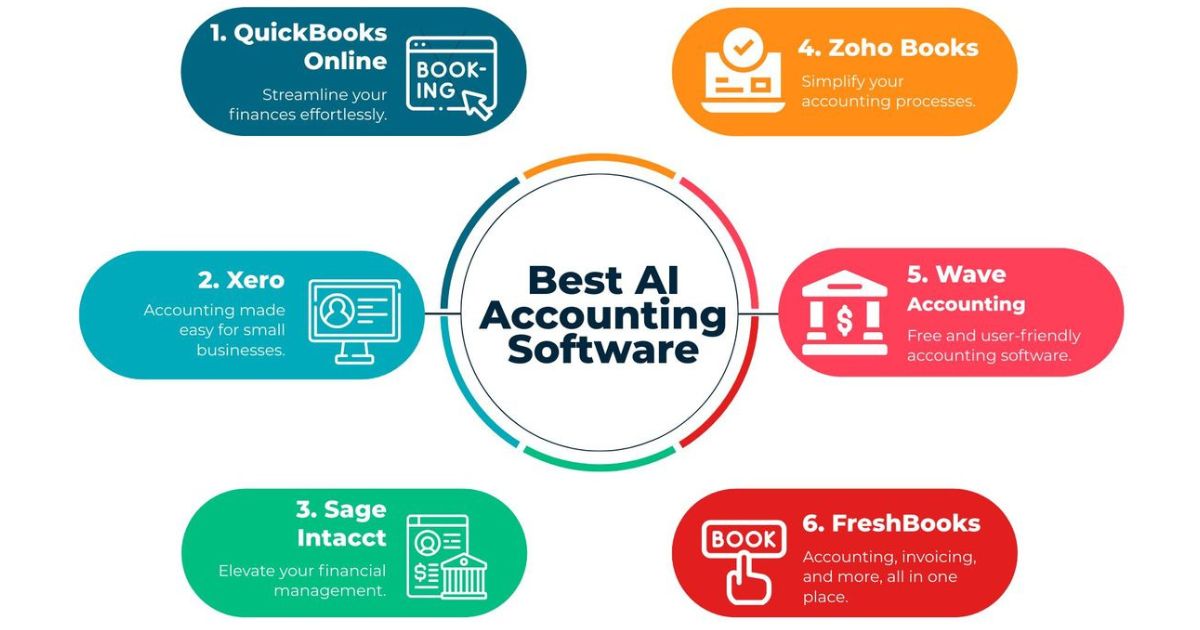
Comparing Popular Accounting Software Options
Evaluating Features and Reviews
Before making a decision, compare multiple software options based on their features, pricing, and user reviews. Reading feedback from other users can provide valuable insights into the software’s strengths and weaknesses.
Free Trials and Demos
Many providers offer free trials or demos, allowing you to test the software before committing. This hands-on experience can help you determine whether the solution meets your needs.
Implementation and Migration
Planning the Transition
Switching to new accounting software requires careful planning to minimize disruptions. Develop a clear implementation plan that includes data migration, system setup, and user training.
Data Migration
Transferring data from your existing system can be challenging. Ensure that the new software supports data import and provides tools or assistance for a smooth transition.
Testing and Validation
Before fully adopting the new system, conduct thorough testing to ensure accuracy and functionality. Validate that all data has been transferred correctly and that processes are working as expected.
Common Mistakes to Avoid
Choosing Based on Price Alone
While budget is important, choosing the cheapest option can lead to limitations and inefficiencies. Focus on value rather than cost alone.
Ignoring Scalability
Failing to consider future growth can result in the need to switch software later, which can be time-consuming and costly.
Overlooking User Experience
Complex or unintuitive software can reduce productivity and increase errors. Prioritize ease of use when making your decision.
Not Considering Support
Lack of reliable customer support can become a major issue when problems arise. Ensure that support is readily available.
Future Trends in Accounting Software
Automation and AI
Automation is transforming accounting by reducing manual tasks and improving accuracy. Features such as automated data entry and intelligent categorization are becoming increasingly common.
Cloud and Remote Work
Cloud-based solutions will continue to dominate, offering flexibility and enabling remote collaboration.
Real-Time Reporting
Real-time financial insights allow businesses to make faster and more informed decisions, giving them a competitive edge.
Conclusion
Choosing the right accounting software is a critical decision that can significantly impact your business’s efficiency, accuracy, and growth. By understanding your needs, evaluating key features, and considering factors such as usability, scalability, and security, you can identify a solution that aligns with your goals.
Take the time to research, compare options, and test different solutions before making a final decision. Investing in the right accounting software is not just about managing finances—it is about empowering your business with the tools it needs to succeed in an increasingly competitive landscape.
Ultimately, the best accounting software is the one that fits seamlessly into your operations, supports your growth, and provides the insights you need to make informed decisions.